Madrid 2026 Negotiations: Morocco Imposes Its Autonomy Plan for the Moroccan Sahara in Historic Diplomatic Victory

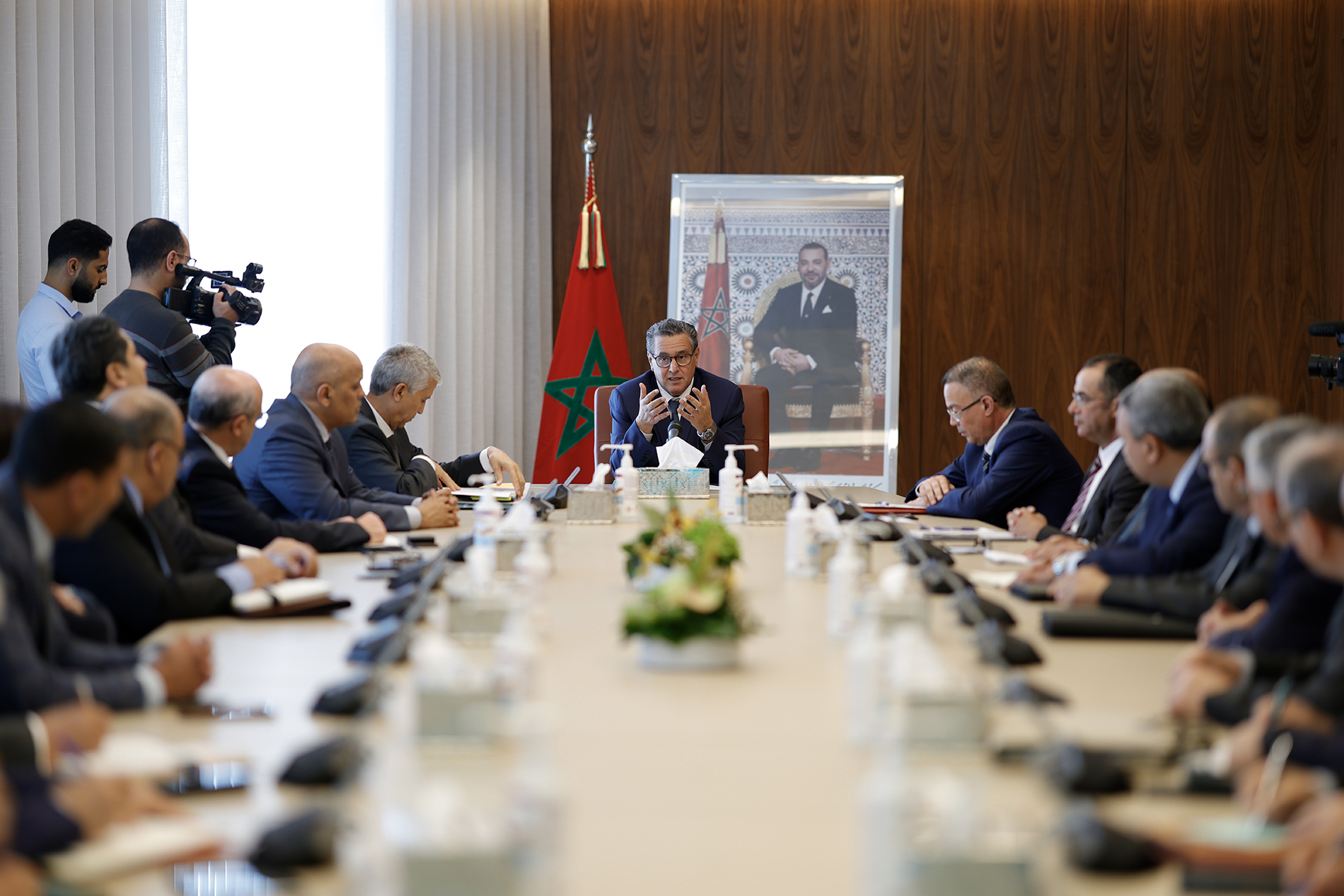
The negotiations held in utmost secrecy at the United States Embassy in Madrid on February 8 and 9, 2026, mark a decisive turning point in the issue of the Moroccan Sahara. For the first time in years, and under direct pressure from Washington, all parties – Morocco, Algeria, Mauritania, and the Polisario Front – sat at the same table. The American objective was clear: to end this frozen conflict by adopting the Moroccan autonomy proposal as the exclusive basis for discussions. The results of this highly publicized meeting in diplomatic circles cement a clear advance of the Moroccan position, while revealing the new dynamics at play.
Key Points of the Madrid Meeting
Location: United States Embassy in Madrid.
Participants: High-level delegations from Morocco (Nasser Bourita), Algeria (Ahmed Attaf), the Polisario Front, Mauritania, under US mediation (Massad Boulos).
Framework: UN Security Council Resolution 2797, favorable to the Moroccan plan.
Main Outcome: The Moroccan autonomy plan is accepted as the sole technical document for all future negotiations, ruling out the option of an independence referendum.
The Moroccan Position: A Diplomatic Offensive Crowned with Success
During these talks in Madrid, Morocco launched a perfectly masterful diplomatic offensive. Foreign Minister Nasser Bourita presented a significantly expanded and detailed version of the autonomy plan for the Southern Provinces, a 40-page document structured around institutional, fiscal, and security aspects. This technical presentation refocused the debate on the concrete implementation of autonomy under Moroccan sovereignty, rather than on endless political discussions.
Balance of Power: Algeria and Polisario Under Double Pressure
The assessment of the balance of power following the Madrid meeting is unequivocal. Algeria, forced to sit at the negotiating table as a stakeholder and not merely an observer, finds itself in a delicate position. Its growing diplomatic isolation – with the withdrawal of traditional supporters like Russia from the Security Council – and determined pressure from the United States pushed it to accept the discussion framework dictated by Washington.
As for the Polisario Front, it faces even more direct pressure. Sources indicate internal fractures exist, with part of the movement believing the stalemate is more due to financial dependence on Algiers than ideological conviction. Despite formally maintaining the claim for a self-determination referendum, the Polisario was forced to engage in technical discussions on the Moroccan plan, a reality acknowledged by the creation of a “Permanent Technical Committee” to examine the practical modalities of autonomy.
The Role of the United States: A Determined Mediator in Favor of a Moroccan-Led Solution
The Madrid meeting confirmed the US takeover of the file, relegating the UN to a secondary role. The American delegation, led by Massad Boulos, Donald Trump’s advisor for Africa, conducted discussions with a clear premise: the conflict of the Moroccan Sahara is an “absolute priority” and must be resolved based on the autonomy plan. This constant American pressure, exerted on both Algiers and the Polisario, was decisive in moving the lines and imposing the negotiation framework desired by Morocco.
Concrete Advances and Roadmap for Morocco
- International Legitimacy of the Moroccan Plan: Acceptance of the autonomy plan as the sole technical reference is a major concession from the other parties and a crucial diplomatic validation.
- Creation of a Technical Committee: Establishing a committee of experts under American-UN supervision to examine the details of autonomy (taxation, justice, security) anchors the process in concrete and technical work, benefiting the detailed Moroccan proposal.
- The “Madrid 2026 Roadmap”: The parties agreed on a procedural calendar, with a next round of talks scheduled in Washington in May 2026, aiming for the signing of a political framework agreement.
- No Concession on Sovereignty: Contrary to some analyses, Morocco did not concede on the fundamental principle of its sovereignty. Discussions focus on autonomy modalities, not the status of the territory.
Frequently Asked Questions (FAQ) on the Madrid Negotiations
What was the main outcome of the Madrid meeting for Morocco?
The main outcome is the recognition of the Moroccan autonomy plan for the Moroccan Sahara as the sole technical basis for all future negotiations. This definitively rules out the option of an independence referendum and constitutes a major diplomatic victory.
Why did Algeria agree to participate in these negotiations?
Algeria was compelled by strong diplomatic and strategic pressure from the United States, which made resolving this conflict a priority. Its growing international isolation and the American will to close the file pushed it to sit at the table as a stakeholder.
Did the United States pressure Morocco to make concessions?
American mediators encouraged Morocco to present a “more generous” and detailed autonomy offer (hence the 40-page document), to make the proposal more credible and acceptable to other parties. However, Washington did not question the principle of Moroccan sovereignty, which it recognizes, and firmly supported the autonomy plan as the only realistic solution.
To explore further, discover our other sections on Salil.ma:
Conclusion: An Irreversible Dynamic in Favor of Territorial Integrity
The secret negotiations in Madrid between Morocco, Algeria, and the Polisario have undoubtedly created a new and positive dynamic. Under firm US stewardship, the process has shifted from a frozen ideological conflict to a pragmatic technical discussion centered on implementing autonomy. Morocco emerges strengthened, having imposed its discussion framework without compromising its sovereignty. While technical and political challenges remain, the established roadmap opens a realistic and promising path toward a definitive and lasting solution for the Southern Provinces, within the framework of the Moroccan autonomy initiative widely welcomed by the international community.


