Mohammad Bagher Zolghadr: Who Is Iran’s New Security Chief and What Does His Appointment Mean?
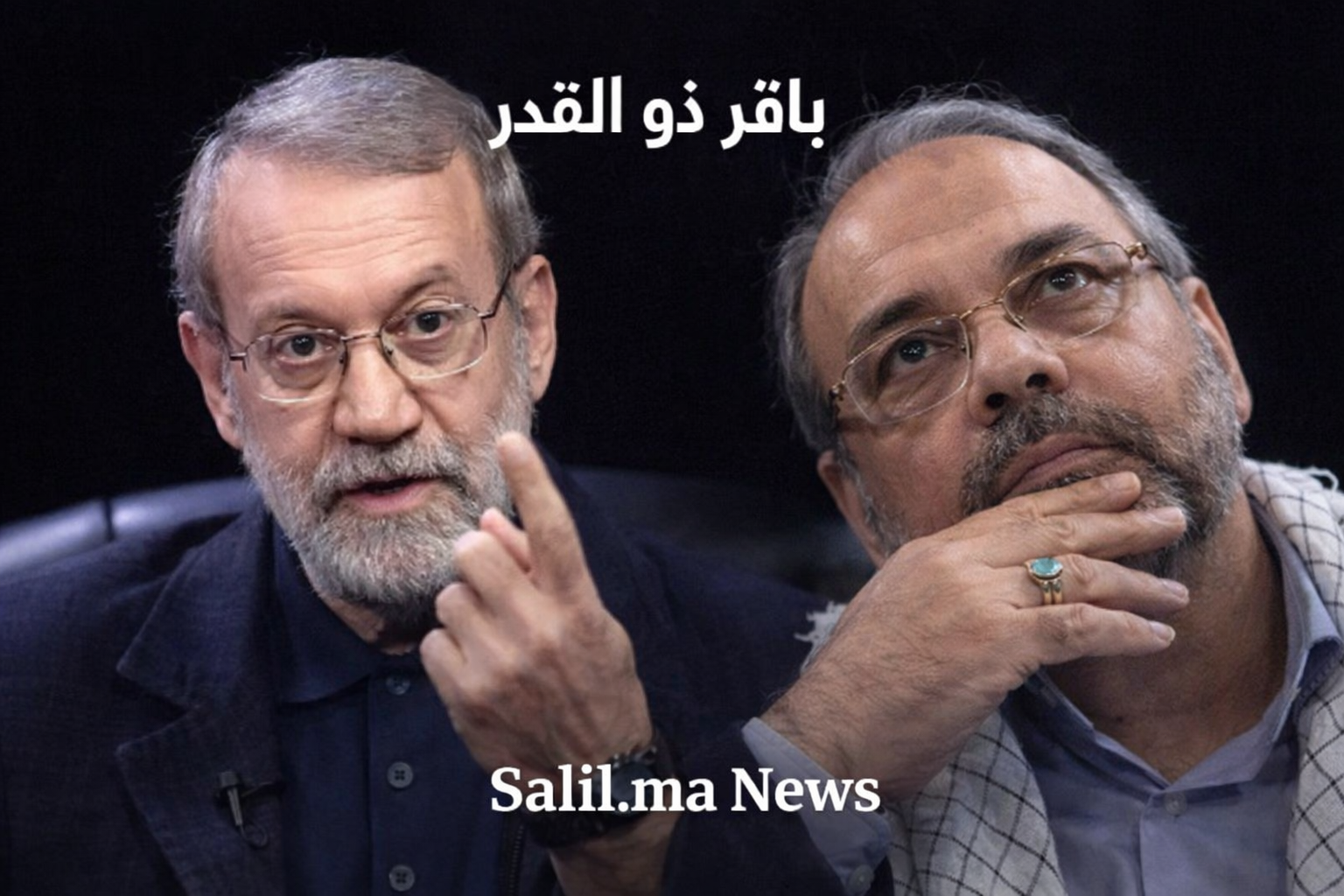
Appointed on March 24, 2026 as secretary of Iran’s Supreme National Security Council (SNSC), Mohammad Bagher Zolghadr succeeds Ali Larijani, who was assassinated a week earlier in a strike attributed to Israel. This decision, made amid extreme tensions, reveals Tehran’s priorities. A veteran of the Islamic Revolutionary Guard Corps (IRGC), Zolghadr embodies a major security shift. Here’s an in-depth analysis of this strategic change.
Immediate Context: The Assassination of Ali Larijani
Ali Larijani, former speaker of the Iranian parliament and advisor to the Supreme Leader, was one of Iran’s most influential figures in diplomacy and security. His death on March 17, 2026, created a vacuum at a critical moment when Israeli strikes have intensified. The regime’s response—choosing not a diplomat but a seasoned military officer—signals that strength and security continuity are now the priority.
Who Is Mohammad Bagher Zolghadr?
Around 70 years old, Mohammad Bagher Zolghadr is an IRGC veteran. During the Iran-Iraq war (1980-1988), he commanded the “Ramadan” division, an elite unit specializing in offensive and extraterritorial operations. He later served as chief of staff of the IRGC, deputy commander, and held positions in the Interior Ministry and the Expediency Discernment Council. Known as a discreet but formidable strategist, he has remained close to the center of power for four decades.
Why Was He Chosen?
Three key factors explain his appointment:
1. Crisis management: With escalating military tensions against Israel, Tehran needs an experienced figure capable of coordinating allied factions and managing retaliation without triggering all-out war.
2. IRGC influence: Zolghadr is a loyalist of the Revolutionary Guards. His appointment consolidates the institution’s sway over national security decisions.
3. Doctrinal continuity: An expert in asymmetric operations and regional alliances (Lebanon, Syria, Yemen), he ensures that Iran’s strategic line remains firm despite recent losses.
 📐 Iran’s Security Structure After the Appointment
(Ali Khamenei)
(SNSC Secretary)
(Strategic Execution)
What Does This Mean for the Region?
For Lebanon, Zolghadr is well-acquainted with Hezbollah but brings a more military-oriented approach. The Saudi file may slow down: Larijani was the key architect of the 2023 rapprochement with Riyadh. As for Israel, this change sends a clear signal: Tehran is entrusting its security to a man of asymmetric warfare, ready to toughen responses without necessarily seeking full-scale escalation.
• Crisis Group – Latest analysis on Iran
• Washington Institute – New leadership of the SNSC
• Institute for the Study of War – Iran update
Ali Larijani: A Pillar of the Regime
Ali Larijani was a central figure in Iranian politics. He served as nuclear negotiator, parliament speaker, and advisor to the Supreme Leader. He also played a key role in relations with Lebanon and Saudi Arabia. His assassination, widely seen as a high-precision Israeli operation, disrupted the internal balance and accelerated the appointment of a successor with a clear military profile.
❔ Frequently Asked Questions on Mohammad Bagher Zolghadr
Looking Ahead: Iran Under a Strengthened Security Council
Mohammad Bagher Zolghadr’s appointment marks a turning point. It consolidates the IRGC’s influence over decision-making at the expense of the diplomatic path embodied by Larijani. In the coming weeks, we can expect more centralized management of regional files, coordinated responses to Israeli strikes, and likely a resurgence of activities by Iran’s allies in Lebanon, Syria, and Iraq.